


The first step in any fitness transformation needs to be getting your nutrition on point. What this means has varied over the years and diet enthusiasts have vacillated from low calorie diets to low fat diets to low sugar diets to low meat diets with different waves coming at different times but with the focus being on ‘how low can you go’. This has probably not contributed much to most of us having a healthy relationship with food as todays food villain is tomorrows superfood leaving most of us chasing the latest confusing trend. At extreme cases this leads to horrible outcomes such as anorexia or bulimia which can rapidly reduce weight, but like a car emptying gas to decrease mass, eventually it doesn’t work anymore.
Food is not only our fuel, it is our oil, carburetor fluid, battery as well as our repair shop. Just like a car though, there can be too much of a good thing– when the tank is full, adding more fuel is unhelpful and can cause decreased performance or, can increase the risks of bad things happening. The tricky line between enough fuel and too much is where we should focus. For the body, in order to use the excess fuel (in the form of fat stores we are carrying around) we need to be in a calorie deficit; we need to take in less energy than we use so that we can use the energy that we have stored up. There is no oil, no fruit and no supplement that ‘burns fat’. Our body burns fat stores when it doesn’t have other fuels to burn. Some of these elements may accelerate or the process by increasing your energy or decreasing your appetite, but you still need food.
What kind of food? That’s where macronutrients or ‘macros’ fit in. As a child we had the ‘food pyramid’– today it pretty much boils down to a food triangle consisting of proteins, fats and carbohydrates. Each one of these meets a requirement of the body. Each macronutrient has another function– it contains energy in the form of calories. The ‘macro’ approach is getting enough of each of the macros while still keeping the number of calories in line with your goals.
First, you need to figure out how many calories your body needs. This is usually done by calculating your Basal Metabolic Rate or BMR. This number represents the amount of energy your body spends just by being alive. It takes into account your age, height, gender and current weight. The formula is not overly complex but there are a number of online calculators that do a good job of providing this number. Free BMR Calculator This also provides a sense of how many ‘extra’ calories you need depending on how active your lifestyle is.
Your BMR acts as your spending account, and macronutrients are what you buy throughout the day. Each macro has a cost: carbs and proteins cost 4 calories per gram, fat costs 9 calories per gram. Over the course of the day you add up the number of grams of each macro you consume, multiplied by it’s ‘cost’ and that gives you your overall energy intake. If you consume exactly the amount of energy you need, you stay the same weight. If you consume more, you retain weight. Less and you lose weight. It is estimated that the cost of 1 pound of body weight is 3,500 calories. To burn (lose) a pound of extra weight per week means you need to be in a daily caloric deficit of 500 calories. If your BMR is 2000 calories per day, 500 calories a day is already a substantial reduction in overall caloric intake. Reducing it further leads to decreased overall health. You likely didn’t put all the excess weight on over a short period of time (I have been working on it for nearly 30 years!) you are not going to take it all off over a short period either.
While many approaches to weight loss have focused only on reduced caloric spending, what macros you do spend your calories on does matter quite a bit.
The first thing that you put in your cart is going to be protein. Many fitness influencers focus only on getting enough of this one macro. Protein is essential to muscle development, bone metabolism and and an improved immune system. Without these, we become weak physically and weakened metabolically. The amount of protein needed is a point of some discussion but generally this should be between 0.5 grams to 2 grams daily per each pound of weight. I generally keep it simple at 1 gram. This means, if you are 200 pounds, you should target 200 grams of protein every day. The caloric cost of this is 800 calories (200g x 4 calories/gram). Assuming the BMR example of 2000 calories per day, this means that you now have 1,200 calories remaining to ‘spend’.
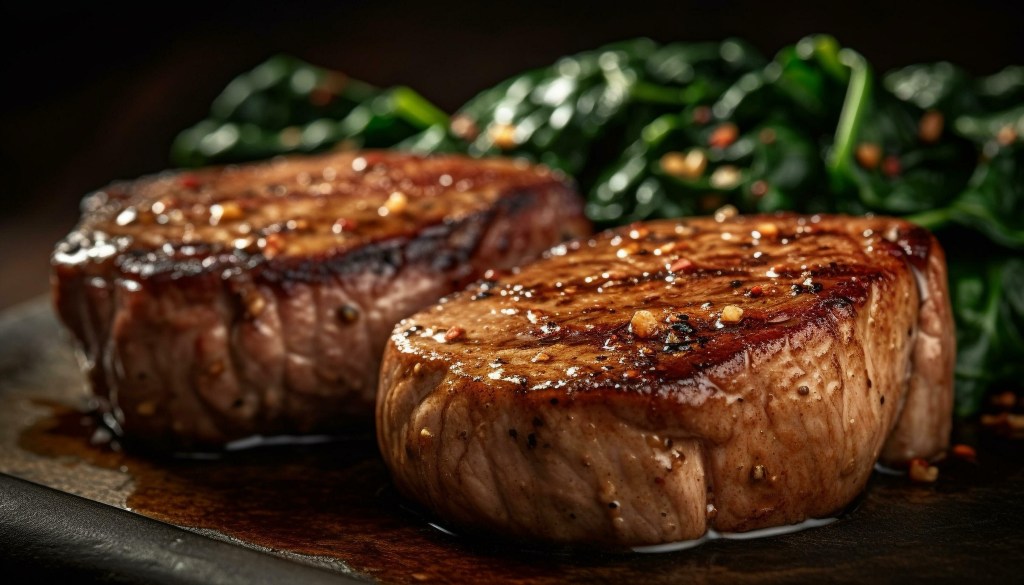
The next essential macro to spend on is fat. Fat is used in cellular structure and is needed to process certain vitamins, it also makes up 60% of brain matter (we are all literally fatheads). The other observed note on fat is that this provides a high level of ‘satiety’ as fats tend to make people feel ‘full’. This is one of the reasons diets such as Atkins and Keto have some success as the fat content is higher. Fat is more ‘expensive’ than protein as each gram of fat contains 9 calories. General rule is that you should try and get a minimum of 10% of your caloric intake from fats. This can be as high as 35% of your calories. If you target 20% as a good compromise, continuing the example above, this means about 400 calories from fat which equates to around 45 grams per day. After protein and fats, this leaves 800 calories left to spend.
The final macro is carbs. Carbohydrates help in improving mood and aids in digestion. They are primarily a quick source of energy being easily converted in a short period of time. This is also why they tend to be the easiest one to blame in terms of gaining weight as their primary purpose (unlike protein and fats) is to provide energy in the form of calories. In our example, spending the remainder of the 800 calories on carbs equates to 200g of carbs per day. While true for proteins and fats as well, the type of carbs that you consume does have a significant impact. Of particular importance a specific type of carb known as ‘fiber’. Although fiber is sometimes referred to as a sort of ‘fourth macro’, it is really a subset of carbs. In addition to aiding in digestion, similar to fats, fiber also aids in satiety. Even on the most carb restrictive diets you will find fiber being essential and they will typically target low ‘net carbs’ which are the total amount of carbs provided, less the amount of fiber provided. Many diets fully discount the calorie cost of fiber completely and the term ‘insoluble’ fiber basically means it will pass through your system without breaking down into sugar. I have seen some research that back this claim of fiber having negligible calories per gram, while others give it 2 calories per gram; about half the calories of a non-fibrous carb. Either way— the more of your carbs you get from fiber, the better you are off. If you have 200g to spend on carbs, you should target 20-35 grams on fiber.
Depending on your nutrition and other health goals, the macros are adjusted: if you are trying to bulk up for bodybuilding you tend to increase your proteins and carbs, if you are training for a marathon you increase carbs and reduce fats, if you are trying to lose body weight you typically are reducing both carbs and fats.
The nice part about a macro approach is that no food is off limits, as long as you can keep in your overall macros. The key to the macro approach is meal planning and awareness; knowing what you are going to eat that day. If you need somewhere to start— track what you are currently eating and focus on getting adequate protein.
 Renovation Fitness
Leave a comment